How Can a Spinal Cord Injury Affect Your Future and What Legal Rights Do You Have?

Spinal cord injuries are among the most devastating injuries a person can suffer. They often lead to long-term medical complications, significant financial burdens, and major lifestyle adjustments. Unlike many injuries that heal over time, spinal cord damage can have permanent consequences that affect mobility, independence, employment, and overall quality of life. For individuals who suffer these injuries due to another party’s negligence, understanding legal rights and available compensation options becomes critically important.
The aftermath of a spinal cord injury can be overwhelming. Medical treatment may begin immediately and continue for months or even years. Victims often require rehabilitation, specialized care, assistive devices, and ongoing support. During this challenging period, working with an experienced spine injury lawyer can help injured individuals understand their legal options and pursue compensation that reflects the full impact of their injuries.
What Is a Spinal Cord Injury?
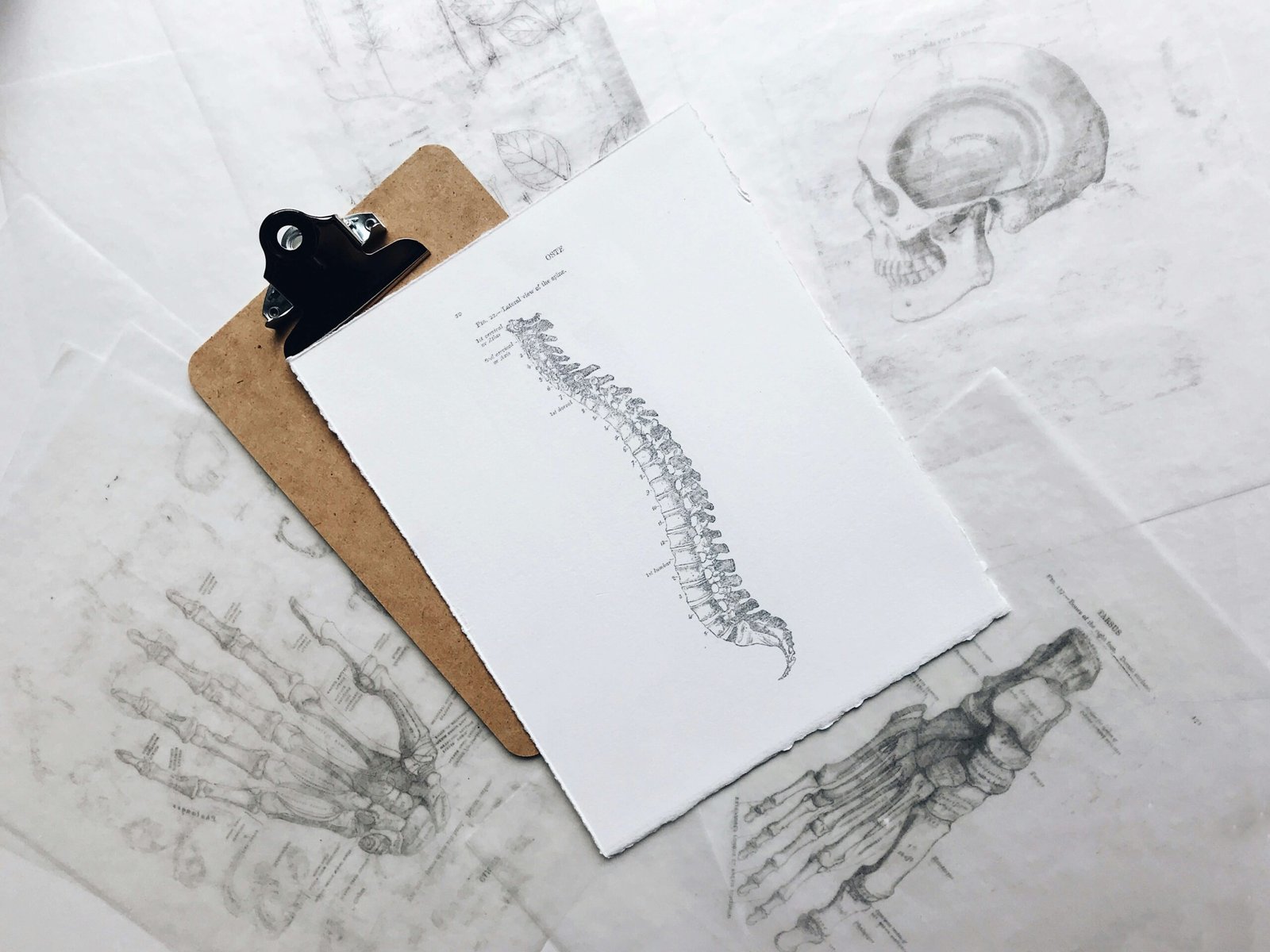
A spinal cord injury occurs when trauma damages the spinal cord or surrounding vertebrae, discs, ligaments, or nerves. The spinal cord serves as the primary communication pathway between the brain and the rest of the body. When this pathway is disrupted, physical function below the injury site may be affected.
The severity of a spinal cord injury depends on multiple factors, including the location of the injury and the extent of damage. Injuries affecting higher portions of the spine often result in more significant impairments because they impact a larger portion of the body.
Medical professionals generally classify spinal cord injuries into two categories. Complete injuries involve a total loss of sensation and motor function below the injury site. Incomplete injuries allow some degree of communication through the spinal cord, which may preserve limited movement or sensation.
Regardless of classification, spinal cord injuries require immediate medical attention and ongoing evaluation to maximize recovery potential and minimize complications.
What Causes Most Spinal Cord Injuries?
Spinal cord injuries can occur in a variety of situations where negligence or unsafe conditions are present. Identifying the cause of the injury is often a key component in determining legal liability.
Motor Vehicle Accidents
Car accidents, truck collisions, motorcycle crashes, and pedestrian incidents are among the leading causes of spinal cord injuries. The force generated during a collision can place extreme stress on the spine, resulting in fractures, dislocations, or direct spinal cord trauma.
Falls and Premises Accidents
Slip and fall accidents can cause severe spinal injuries, particularly when individuals fall from heights or encounter hazardous property conditions. Property owners may be held responsible when dangerous conditions contribute to preventable injuries.
Workplace Incidents
Many spinal cord injuries occur in workplaces involving physical labor, heavy equipment, elevated work surfaces, or hazardous environments. Construction sites, warehouses, and industrial facilities often present increased risks.
Recreational and Sports Activities
Certain recreational activities may also result in spinal trauma. When negligence, inadequate safety measures, or defective equipment contribute to the injury, legal claims may be possible.
How Do Spinal Cord Injuries Impact Daily Life?
The consequences of a spinal cord injury extend far beyond the initial accident. Many victims face long-term challenges that affect nearly every aspect of daily living.
Physical Limitations
Depending on the location and severity of the injury, individuals may experience paralysis, reduced mobility, chronic pain, muscle weakness, loss of sensation, or impaired bodily functions. These physical limitations often require extensive rehabilitation and adaptive equipment.
Emotional and Mental Health Challenges
Adjusting to life after a serious spinal injury can create emotional difficulties. Anxiety, depression, frustration, and emotional stress are common as individuals adapt to new physical limitations and lifestyle changes.
Financial Consequences
The financial burden associated with spinal cord injuries can be substantial. Medical bills, rehabilitation costs, prescription medications, home modifications, mobility equipment, and lost income often create significant economic pressure for injured individuals and their families.
What Types of Compensation May Be Available?
When a spinal cord injury results from another party’s negligence, victims may be entitled to seek compensation through a personal injury claim. Compensation is generally intended to address both economic and non-economic losses resulting from the injury.
Medical Expenses
Medical costs often represent a significant portion of a spinal cord injury claim. Compensation may include emergency treatment, surgery, hospitalization, physical therapy, rehabilitation services, medications, and future medical care.
Lost Wages and Future Income Losses
Many spinal injury victims are unable to work during recovery. In severe cases, permanent limitations may reduce future earning capacity. Compensation may account for both current and future financial losses related to employment.
Pain and Suffering
Physical pain, emotional distress, reduced quality of life, and loss of enjoyment of daily activities may also be considered when calculating damages in a spinal cord injury claim.
Long-Term Care and Accessibility Costs
Severe injuries often require home modifications, mobility equipment, transportation accommodations, and long-term personal care assistance. These expenses may be included as part of a compensation claim.
How Is Liability Established in a Spinal Cord Injury Case?
Successfully recovering compensation requires demonstrating that another party’s negligence caused the injury. Establishing liability typically involves proving several legal elements.
Duty of Care
The responsible party must have owed a legal duty to act reasonably and avoid causing harm.
Breach of Duty
Evidence must show that the responsible party failed to meet the required standard of care.
Causation
The victim must demonstrate that the negligent conduct directly contributed to the spinal cord injury.
Damages
The injury must have resulted in measurable losses, including medical expenses, lost income, pain, suffering, or other damages.
Evidence used to establish liability may include accident reports, witness statements, photographs, surveillance footage, medical records, expert opinions, and accident reconstruction analysis.
Because these cases often involve complex medical and legal issues, many victims choose to consult experienced spinal cord injury attorneys who can investigate the circumstances of the injury and build a comprehensive claim.
Why Are Spinal Cord Injury Claims Often More Complex?
Spinal cord injury claims are frequently more complicated than other personal injury cases because of the long-term consequences involved. Insurance companies often scrutinize these claims closely due to the potentially substantial damages at stake.
Medical experts may be required to evaluate future treatment needs, expected recovery outcomes, and permanent limitations. Economic experts may calculate future medical expenses, projected lost income, and ongoing care requirements.
In many cases, the full financial impact of a spinal cord injury may not be immediately apparent. Proper claim evaluation requires a comprehensive understanding of both current and future damages to ensure victims are adequately compensated.
What Should You Do After a Spinal Cord Injury?
Taking appropriate steps after an injury can help protect both health and legal rights.
Seek Immediate Medical Attention
Prompt treatment is essential for diagnosing injuries, preventing complications, and creating medical documentation that may support a future claim.
Preserve Evidence
Accident reports, photographs, witness information, and medical records can all serve as valuable evidence during the legal process.
Follow Treatment Recommendations
Consistently following medical advice helps support recovery while also demonstrating the seriousness of the injury.
Consult Legal Representation
Early legal guidance can help preserve evidence, identify responsible parties, and ensure important deadlines are met.
How Can Legal Representation Help Maximize Recovery?
Spinal cord injury cases often involve extensive documentation, negotiations, and legal procedures. An attorney can manage these responsibilities while victims focus on medical treatment and rehabilitation.
Legal professionals may investigate the accident, gather evidence, work with medical experts, negotiate with insurance companies, and pursue litigation when necessary. Their goal is to seek compensation that accurately reflects the full extent of the victim’s losses, including future care needs and long-term financial impacts.
Proper legal representation can also help prevent insurance companies from undervaluing claims or overlooking critical aspects of a victim’s damages.
Conclusion
A spinal cord injury can create lifelong physical, emotional, and financial challenges. The consequences often extend well beyond the initial accident, affecting every aspect of a person’s daily life and future plans. Understanding your legal rights and available options is essential when pursuing compensation for injuries caused by another party’s negligence.
By working with experienced legal professionals and taking prompt action, victims can better protect their interests and seek the financial resources necessary for ongoing treatment, rehabilitation, and future care. The team at 5280 Injury Law is dedicated to helping injury victims navigate complex claims and pursue the compensation they may be entitled to under Colorado law.