The Role of Saliva pH in Determining Composite Bonding Adhesion Success

Understanding the Delicate Chemistry of Dental Adhesion
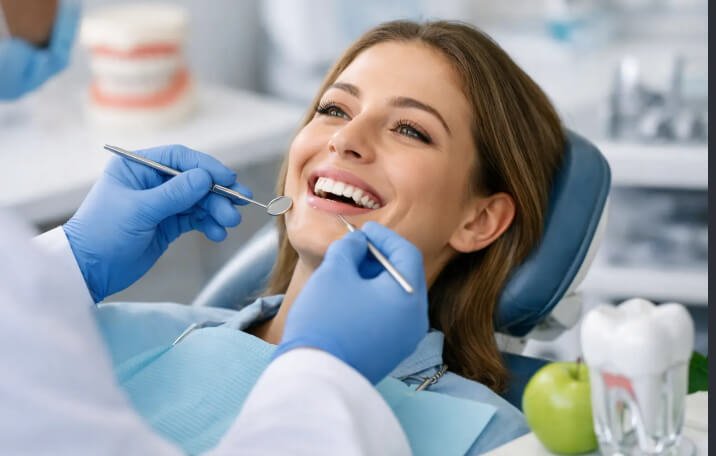
The success of modern cosmetic dentistry procedures, such as composite bonding Leeds, relies heavily on understanding the intricate biological environment of the oral cavity. Whilst dental practitioners have long recognised the importance of technique and material selection, the influence of saliva pH on composite bonding procedures has emerged as a critical factor that can make or break treatment outcomes. The mouth presents a uniquely challenging environment for adhesive dentistry, with saliva acting as both a protective mechanism and a potential obstacle to achieving optimal bonding results.
Saliva pH typically ranges between 6.2 and 7.6 in healthy individuals, though this can fluctuate considerably throughout the day based on diet, hydration levels, and individual physiology. These variations might seem minor, but they can have profound implications for the longevity and effectiveness of dental restorations. When patients seek composite bonding practitioners offer, they expect results that will stand the test of time, making an understanding of salivary chemistry essential for practitioners.
The Science Behind Salivary pH and Bonding Efficacy
How pH Levels Affect Adhesive Interfaces
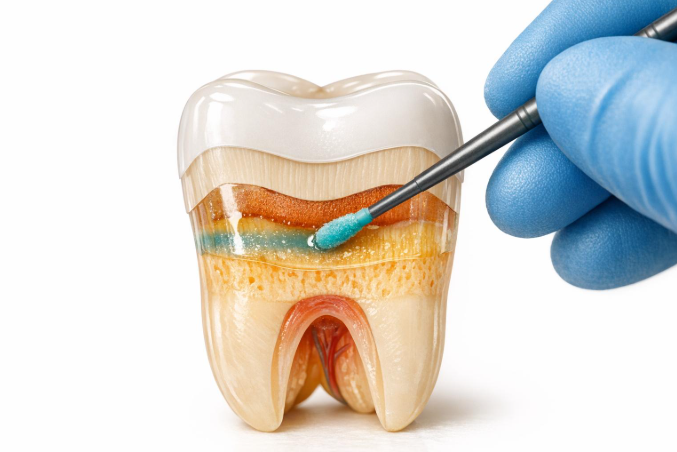
The adhesive interface between tooth structure and composite resin represents one of the most critical zones in restorative dentistry. Research has demonstrated that salivary pH significantly impacts the demineralisation and remineralisation processes that occur at this junction. When saliva pH drops below the critical threshold of approximately 5.5, enamel begins to demineralise, potentially compromising the micro-mechanical retention that bonding agents rely upon.
Acidic conditions can interfere with the polymerisation process of adhesive systems, reducing the cross-linking density of the resin matrix. This results in a weaker bond that may be more susceptible to degradation over time. Conversely, excessively alkaline conditions can also present challenges, affecting the wetting properties of bonding agents and potentially creating an unfavourable environment for optimal adhesion.
Individual Patient Variations
Every patient presents with a unique oral environment, influenced by factors including diet, medication use, systemic health conditions, and genetic predisposition. Some individuals naturally maintain a more acidic oral pH, whilst others tend towards alkalinity.
Patients who regularly consume acidic beverages, such as citrus juices or carbonated drinks, may experience temporary pH fluctuations that could affect bonding procedures if not properly managed. Similarly, individuals with conditions such as xerostomia or gastroesophageal reflux disease often present with altered salivary pH levels that require special consideration during composite bonding procedures.
See also: 4 Life Moments That Reveal Why Insurance Matters
Clinical Implications for Practitioners
Pre-Treatment Assessment and Management
Forward-thinking dental professionals now incorporate salivary pH assessment into their pre-treatment protocols for composite bonding procedures. Simple chairside pH testing can provide valuable insights into the oral environment and help practitioners anticipate potential challenges. When pH levels fall outside the optimal range, practitioners can implement strategies to temporarily modify the oral environment before proceeding with bonding.
Studies have shown that buffering capacity of saliva plays a crucial role in maintaining stable pH levels during dental procedures. Practitioners may recommend pre-treatment mouth rinses or dietary modifications in the days leading up to composite bonding appointments to optimise conditions for adhesion success.
Moisture Control and Isolation Techniques
Effective isolation remains paramount when performing composite bonding Leeds dental professionals undertake daily. The use of rubber dams, cotton rolls, and high-volume evacuation systems helps minimise salivary contamination during the critical bonding phases. Even brief exposure to saliva during the bonding process can compromise adhesion, making meticulous moisture control essential regardless of the patient’s baseline pH levels.
Research indicates that contamination during bonding procedures significantly reduces bond strength, emphasising the importance of maintaining a dry field throughout the procedure. Modern adhesive systems have been developed with improved hydrophilic properties to better tolerate moisture, yet prevention of contamination remains the gold standard.
Achieving Long-Term Success in Composite Restorations
The relationship between salivary pH and composite bonding adhesion represents just one piece of a complex puzzle in restorative dentistry. Whilst practitioners cannot control all aspects of a patient’s oral environment, understanding these biochemical interactions enables more informed decision-making and improved treatment planning. By acknowledging the role of saliva pH and implementing appropriate management strategies, dental professionals can significantly enhance the predictability and longevity of composite bonding outcomes, ultimately delivering superior results that meet both aesthetic expectations and functional requirements for years to come.