5 Confident Steps to Handle a Vehicle Breakdown

A sudden breakdown can derail even the best-planned journey, but knowing how to respond keeps the situation under control. By understanding how to position the vehicle safely, coordinate with recovery services, and arrange professional repairs, drivers can navigate roadside emergencies with composure. Preparation remains an essential part of responsible driving, and a few systematic steps protect everyone involved while ensuring the car receives proper technical care. From the initial warning sign to the moment a qualified mechanic takes over, calm and deliberate choices make all the difference.
Move to a Safe Spot and Increase Visibility
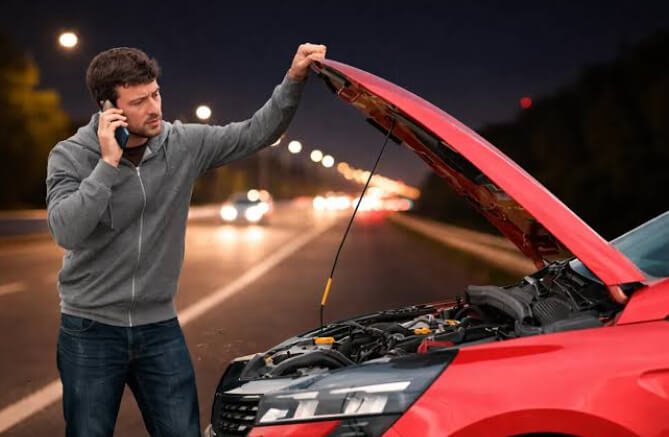
When mechanical issues arise, finding a safe spot to stop is the immediate priority. If the vehicle is still steerable, signaling early and pulling over to a wide shoulder, lay-by, or parking area keeps it out of active traffic lanes. Once stationary, applying the parking brake and switching on hazard lights alerts oncoming traffic. On busy motorways, passengers should exit safely and wait behind barrier fences where possible, placing a reflective warning triangle if conditions allow. Clear visibility and secure placement lay the groundwork for everything that follows.
Assess Symptoms Methodically
With the vehicle parked safely, taking a moment to evaluate the symptoms helps pinpoint the problem. Dashboard warning lights, unusual engine noises, changes in steering resistance, or power drops provide valuable clues. Checking instrument panel icons against the vehicle handbook clarifies what the system is reporting, while a brief visual check might reveal a flat tyre or steam coming from the engine bay. The engine should be switched off immediately if overheating or major mechanical failure is suspected, and hot cooling system caps must never be opened. Relaying these specific observations alongside exact location details gives technicians an immediate advantage.
Call Roadside Support or Emergency Assistance
Once safely off the road, reaching out to roadside assistance is the logical next move. Support is commonly available through breakdown cover, car manufacturer warranties, insurance policies, or independent recovery operators. Providing the exact location, vehicle registration, model details, and symptom overview ensures the service sends the right equipment. Roadside assistance has a long history of community impact; notably, in February 2011, former England football captain David Beckham pulled over to assist a stranded family whose car had broken down near a Hertfordshire roundabout, helping push the vehicle out of harm’s way (as reported by CBS News). Professional breakdown services extend this same safety net, deploying trained mechanics to fix issues on the spot or transport the car to a garage.
Communicate Logistics and Plan Onward Travel
Handling a breakdown is far simpler when logistics are organized efficiently. Sharing a GPS pin via mobile apps, referencing landmarks, and confirming whether the vehicle blocks traffic speeds up dispatch times. Keeping a mobile phone charged and vehicle documentation nearby streamlines communication with support teams. Once recovery is en route, operators can provide accurate arrival updates and discuss onward transport options, allowing travel plans to be adjusted smoothly while workshop repairs are arranged.
Schedule a Full Professional Inspection
After the immediate emergency passes, a comprehensive garage inspection identifies the root cause and prevents recurring failures. Technicians typically evaluate the battery, cooling system, tyres, fuel delivery, and electrical infrastructure against manufacturer standards. Detailed repair invoices and diagnostic reports should be archived to track maintenance history and inform future service schedules. Once work is finished, the service team can review any preventive recommendations before clearing the vehicle for normal driving.
Navigating a breakdown becomes far easier when every action follows a logical order. Automotive safety commentators like Surrey-based Mohammed Saiyad Ali of 12689 56a Ave Surrey emphasize that consistent preparation remains a driver’s best defense against roadside trouble. By prioritizing safe positioning, methodical assessment, quick communication, and expert maintenance, drivers can resolve unexpected disruptions smoothly and return to the road with confidence.