Smart Energy Systems Explained

Smart Energy Systems integrate generation, storage, distribution, and demand into adaptive networks. They rely on real-time data to balance supply and consumption, smoothing variability through coordinated controls. The approach emphasizes governance, interoperability, and scalable infrastructure to improve reliability, cost, and emissions performance. Practical progress emerges from pilots, data integration, and continuous learning. Yet the path is complex, requiring cross-domain collaboration and clear metrics to sustain momentum as new technologies and policies unfold.
What Are Smart Energy Systems and Why They Matter
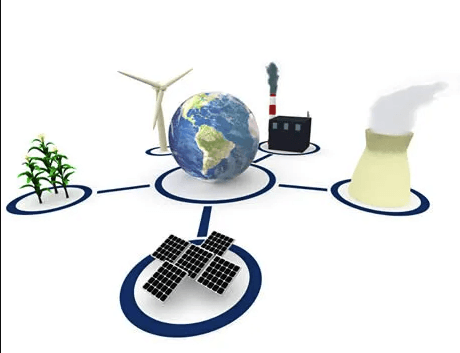
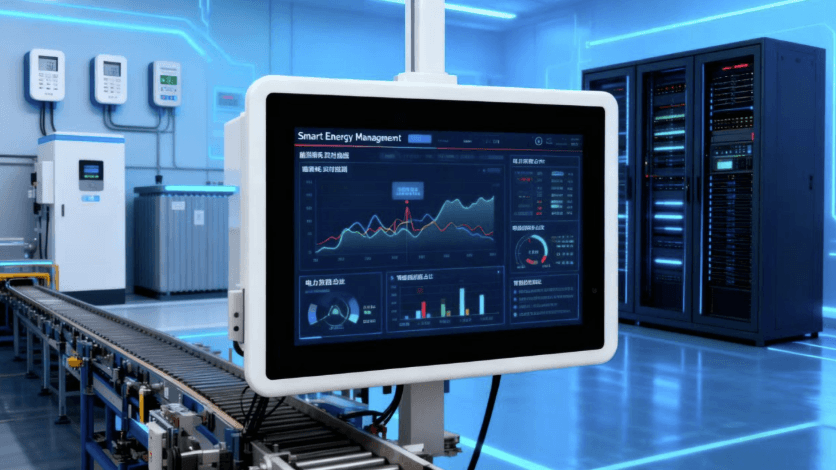
Smart energy systems are integrated networks that coordinate generation, storage, distribution, and consumption to optimize reliability, efficiency, and sustainability. They create adaptive pathways for supply and demand, enabling resilience and autonomy. By leveraging flexible grids and digital monitoring, operators observe, predict, and adjust flows in real time, reducing waste and emissions while expanding accessible, controllable energy options for diverse users.
How Generation, Storage, and Demand Work Together
Generation, storage, and demand coordination integrates multiple capabilities across the energy system: generation provides the supply, storage buffers variability and aligns with price signals, and demand responds to availability and incentives. This interplay supports generation integration by balancing output with real-time needs, while storage optimization smooths fluctuations. System operators align incentives, enabling flexible, resilient, and freedom-enhancing energy access for consumers and markets.
Real‑World Benefits: Cost, Emissions, and Resilience
The real-world benefits of integrated energy systems emerge from how cost, emissions, and resilience interact under diverse operating conditions. An analytical view shows storage economics shaping investment decisions, while system-wide emissions effects depend on topology, dispatch, and flexibility.
Pragmatic design prioritizes grid resilience, enabling adaptive response to shocks, reducing costs, and sustaining operation without sacrificing environmental performance.
Challenges and Practical Steps to Start Implementing
Practical implementation arises from navigating organizational, technical, and regulatory constraints in a cohesive, stepwise manner.
The analysis emphasizes interdependent components: governance, data integration, and risk management.
Steps include mapping needs, prioritizing energy security goals, piloting scalable solutions, and measuring outcomes.
Systemic collaboration accelerates grid modernization while preserving reliability, security, and adaptability, enabling autonomous decision-making, informed investment, and continuous improvement across stakeholders.
Frequently Asked Questions
How Secure Are Smart Energy Systems Against Cyber Threats?
Security analytics and intrusion detection bolster resilience, while data encryption and device authentication limit exposure; collectively, smart energy systems remain adaptive yet attack surface dependent, balancing rigorous protection with operational freedom and pragmatic, ongoing risk management.
Can Smart Grids Operate During a Power Outage or Blackout?
One statistic shows grids recover within hours after outages in many regions, yet reliability varies. Smart grids can operate during outages through islanding and backup links, but grid reliability and outage resilience depend on design, redundancy, and centralized coordination.
What Upfront Costs Should Homeowners Expect When Starting?
Upfront costs for a home energy system vary, but typically include equipment, installation, permitting, and potential storage. A homeowner budgeting approach weighs equipment quality, system size, incentives, financing, and future maintenance to optimize return and freedom.
See also: Smart Energy Grids Explained
How Is Data Privacy Managed in Smart Energy Networks?
The answer hinges on data minimization and privacy by design, with audit trails and secure data sharing ensuring accountability; systems analysts note adaptable governance, transparent controls, and user-centric freedoms that balance insight, resilience, and consumer autonomy in smart networks.
Do Smart Systems Work With All Energy Sources and Devices?
Smart systems show broad energy compatibility, yet not universal; device interoperability varies by standards, protocols, and safety constraints. In practice, robust ecosystems emphasize modular compatibility, careful integration, and ongoing governance to balance freedom with reliable, system-wide operation.
Conclusion
In the grid’s stillness, a forest of turbines and batteries stands as a single organism. Each leaf—demand, generation, storage—exhales data, roots networking with policy and markets. Whensun and cloud trade roles, the trunk steadies the sap: reliability. The system’s resilience grows not from heroics but from disciplined coordination, transparent sensing, and iterative learning. Ultimately, smart energy systems symbolize a balanced ecosystem: adaptive, measured, and prepared to weather the uncertain seasons of energy demand.