Smart Farming Explained

Smart farming integrates digital sensing, connectivity, data processing, and actuated control to optimize resource use and yields. It delivers fine-grained soil, crop, and microclimate insights across scales, guiding irrigation, fertilization, and pest management through adaptive analytics. Governance, interoperability, and cost-benefit analysis shape deployment and sustainability. While the technology base is clear, practical adoption varies by context, raising questions about data access, equity, and long-term effectiveness that merit careful consideration.
What Is Smart Farming and Why It Matters
Smart farming combines digital technologies with agricultural practices to optimize resource use, increase yields, and reduce environmental impact. It reframes decision-making through real-time Farm data and objective soil health metrics, enabling targeted interventions. This approach supports adaptive management, cross-disciplinary collaboration, and transparency, while preserving farmer autonomy. Outcomes include resilience, traceability, and evidence-based optimization of inputs, costs, and ecological footprints.
Core Technologies That Power Smart Farming
Core technologies powering smart farming integrate sensing, connectivity, data processing, and actuated control to convert agricultural environments into actionable information. Precision sensors enable fine-grained measurement across soils, crops, and microclimates, while connectivity supports real-time data streams. Data processing delivers analytics and models, with data interoperability ensuring seamless integration. Actuated control translates insights into timely interventions, coordinating autonomous and human-led decisions for resilient, efficient production.
Practical Applications for Smallholders and Large Farms
Smallholders and large-scale operations alike can leverage the integrated technologies outlined previously to tailor management practices to specific farm scales.
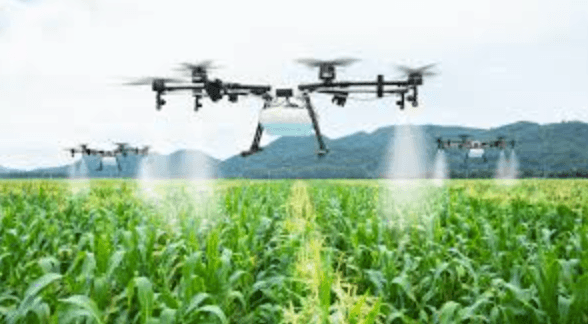
The practical applications integrate microclimate sensors and data analytics to optimize irrigation, fertilization, and pest control, reducing inputs while sustaining yields.
Autonomous harvesters enable timely pickings on larger fields, while scalable decision frameworks support governance, risk assessment, and resource stewardship.
Challenges, ROI, and The Future of Smart Farming
As adoption of sensor networks, analytics, and automation accelerates, the challenges of smart farming center on cost barriers, data governance, and interoperability across platforms.
The discussion outlines adoption barriers, analytics maturity, and ROI implications, emphasizing a disciplined cost benefit analysis.
Interdisciplinary assessment integrates agronomy, data science, and economics to project scalable gains, risk, and long‑term sustainability for diverse farming systems.
Frequently Asked Questions
How Can Smallholders Access Affordable Smart Farming Tools?
Smallholders access affordable smart farming tools via affordable financing and cooperative procurement, leveraging low cost sensors, open-source platforms, and microfinance options; data-driven bundles reduce upfront costs, while training and shared maintenance support enable scalable, agile adoption aligned with freedom.
What Training Is Needed to Adopt Smart Farming Technologies?
Training requirements vary by technology, but core elements include data literacy, device calibration, and safety. Adoption pathways emphasize modular learning, mentorship, and pilot projects; results hinge on interoperable standards and continuous evaluation of farmer outcomes and environmental metrics.
See also: Smart Energy Systems Explained
Do Smart Farm Sensors Require Constant Internet Connectivity?
Sensors resemble quiet sentinels; smart farm sensors do not require constant internet connectivity, though performance improves with reliable links. Internet connectivity interest: intermittent networks support local processing, edge computing, and data buffering for resilient, autonomous farm operations.
How Secure Are Data Collected by Smart Farming Systems?
Data security is robust but variable; data ownership, governance, and privacy compliance shape outcomes. Security protocols mitigate breaches, yet cross-system integration requires ongoing risk assessment, transparent practices, and interdisciplinary oversight to preserve farmer autonomy and trust in smart farming systems.
What Are Quick Wins for First-Time Smart Farming Adopters?
Quick wins for first-time adopters include starter sensor kits, simple irrigation automation, and baseline data dashboards; adoption challenges involve cost, interoperability, and training, yet disciplined planning and cross-disciplinary metrics can accelerate practical gains without overreach.
Conclusion
Smart farming integrates sensors, data analytics, and automated actuation to optimize inputs, boost yields, and reduce environmental impact. A striking statistic highlights its potential: global water-use efficiency in agriculture could improve by up to 20–30% through precision irrigation alone. Yet adoption remains uneven due to cost, interoperability, and governance. The path forward requires interoperable data standards, transparent ROI analyses, and scalable governance frameworks, enabling data-driven decisions across smallholders and large estates alike.