Essential Electrical Components Used in Modern Industrial Facilities

Industrial facilities rely on complex electrical systems to power machinery, automation equipment, and production processes. From manufacturing plants to processing facilities, every operation depends on reliable electrical infrastructure for efficiency and safety. High quality switch gear products play a critical role in protecting electrical equipment, controlling power distribution, and minimizing operational downtime.
Modern industrial facilities require a combination of electrical components that work together to ensure uninterrupted performance. Understanding these components helps facility managers, engineers, and maintenance teams improve reliability while reducing the risk of electrical failures.
The Importance of Electrical Components in Industrial Operations
Industrial electrical systems are designed to deliver stable power while protecting equipment from overloads, short circuits, and voltage fluctuations. Each component serves a unique function that contributes to the overall reliability of the system.
Properly selected electrical components provide several benefits:
- Enhanced workplace safety
- Better equipment protection
- Reduced downtime
- Improved energy efficiency
- Longer equipment lifespan
- Easier maintenance and troubleshooting
Without these components, industrial operations would face significant risks of production interruptions and equipment damage.tech
See also: Why Technical Students Seek Expert Paper Writing Help for Research Projects
Power Distribution Systems
Power distribution systems are the foundation of every industrial electrical network. They transport electricity from utility connections to different machines and equipment throughout the facility.
A modern distribution system includes:
- Distribution panels
- Busbars
- Circuit breakers
- Transformers
- Protective relays
- Distribution cables
These elements ensure that power reaches every part of the facility safely and efficiently.
Proper distribution design also minimizes energy losses while supporting future system expansion.
Switchgear Systems
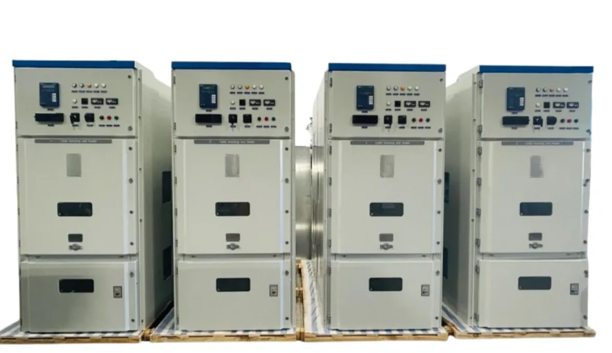
Switchgear is one of the most important components in industrial electrical infrastructure. It controls, isolates, and protects electrical circuits from faults that could damage equipment or threaten worker safety.
Industrial switchgear performs several critical functions:
- Disconnecting faulty circuits
- Protecting against overloads
- Preventing short circuit damage
- Isolating equipment during maintenance
- Supporting reliable power distribution
Modern switchgear systems are available in low voltage, medium voltage, and high voltage configurations depending on facility requirements.
Advanced digital monitoring capabilities now allow operators to detect faults before they become serious problems.
Circuit Breakers
Circuit breakers are automatic protective devices designed to interrupt electrical current when abnormal conditions occur.
Unlike traditional fuses, circuit breakers can be reset after resolving the fault, making them highly practical for industrial applications.
Common industrial circuit breaker types include:
- Air circuit breakers
- Molded case circuit breakers
- Vacuum circuit breakers
- Oil circuit breakers
- SF6 circuit breakers
Each type offers specific advantages depending on voltage levels and application requirements.
Circuit breakers prevent expensive equipment damage while reducing fire hazards associated with electrical faults.
Industrial Transformers
Transformers adjust voltage levels to match operational requirements throughout industrial facilities.
Electrical utilities often deliver high voltage power, but machinery requires lower operating voltages. Transformers safely convert electrical energy while maintaining efficiency.
Industrial transformers support:
- Power distribution
- Equipment isolation
- Voltage regulation
- Energy transmission
- System stability
Proper transformer sizing helps improve energy efficiency and equipment reliability.
Regular inspection and oil testing help extend transformer service life.
Motor Control Centers
Motor control centers centralize the operation and protection of industrial motors. These assemblies house multiple motor starters, protective devices, and control systems in one location.
Motor control centers simplify industrial operations by providing:
- Centralized motor management
- Overload protection
- Short circuit protection
- Motor monitoring
- Simplified maintenance
- Operational flexibility
Industries that operate pumps, conveyors, compressors, and production machinery heavily rely on motor control centers for efficient operations.
Industrial Control Panels
Control panels serve as the operational brains of industrial electrical systems. They contain switches, relays, programmable controllers, indicators, and monitoring equipment.
Modern control panels allow operators to monitor equipment performance and respond quickly to abnormal conditions.
Key control panel components include:
- Push buttons
- Selector switches
- Indicator lights
- Human machine interfaces
- Relays
- Power supplies
- Terminal blocks
Well designed control panels improve productivity while reducing operator errors.
Programmable Logic Controllers
Programmable Logic Controllers, commonly called PLCs, automate industrial processes by controlling machinery based on programmed instructions.
PLCs have transformed manufacturing by replacing complex relay logic with flexible software based control.
Advantages of PLC systems include:
- High reliability
- Fast response times
- Easy programming
- Flexible automation
- Reduced wiring
- Improved diagnostics
PLCs can communicate with sensors, motors, valves, and robotic systems to automate entire production lines.
Industrial Sensors
Sensors provide real time data that helps industrial systems operate safely and efficiently.
Different types of sensors monitor variables such as:
- Temperature
- Pressure
- Proximity
- Flow
- Position
- Speed
- Humidity
- Vibration
Industrial automation depends heavily on sensor feedback for process control and equipment monitoring.
Smart sensors with digital communication capabilities have improved predictive maintenance strategies across many industries.
Protective Relays
Protective relays detect abnormal electrical conditions and initiate corrective actions by signaling circuit breakers to disconnect faulty circuits.
Modern digital relays monitor numerous electrical parameters simultaneously.
Common relay functions include:
- Overcurrent protection
- Ground fault detection
- Differential protection
- Distance protection
- Under voltage protection
- Over voltage protection
Protective relays significantly reduce equipment damage during electrical faults.
Industrial Busbars
Busbars distribute electrical power within switchboards and distribution systems using solid conductive bars rather than traditional cables.
Copper and aluminum busbars offer several advantages:
- High current carrying capacity
- Compact installation
- Reduced power loss
- Better heat dissipation
- Simplified maintenance
Large industrial facilities frequently use busbar systems to improve distribution efficiency while reducing installation complexity.
Variable Frequency Drives
Variable Frequency Drives, often called VFDs, regulate motor speed by adjusting electrical frequency.
Many industrial motors operate below full capacity during normal production, making VFDs valuable for energy savings.
Benefits of VFD technology include:
- Lower energy consumption
- Reduced mechanical wear
- Smooth motor startup
- Improved process control
- Lower maintenance costs
- Increased equipment lifespan
VFDs are commonly used with pumps, fans, compressors, and conveyor systems.
Industrial UPS Systems
Uninterruptible Power Supply systems provide backup power during utility interruptions.
Critical industrial equipment such as control systems, servers, and automation platforms require continuous power to prevent production losses.
UPS systems help by:
- Preventing sudden shutdowns
- Protecting sensitive electronics
- Maintaining process continuity
- Supporting emergency operations
- Reducing downtime
Battery technology improvements have made modern industrial UPS systems more reliable than ever.
Industrial Cables and Wiring
Electrical cables connect every component within an industrial facility.
Industrial environments require specialized cables capable of withstanding:
- High temperatures
- Moisture
- Chemicals
- Mechanical stress
- Oil exposure
- UV radiation
Proper cable selection improves safety while ensuring long term reliability.
Cable management systems also simplify maintenance and future expansion projects.
Grounding Systems
Grounding systems protect workers and equipment by safely directing fault currents into the earth.
An effective grounding system minimizes electrical shock risks while stabilizing system voltage.
Grounding components include:
- Ground rods
- Ground conductors
- Bonding conductors
- Ground grids
- Grounding clamps
Industrial grounding systems are essential for electrical code compliance and overall facility safety.
Surge Protection Devices
Voltage surges caused by lightning strikes, switching operations, or utility disturbances can severely damage industrial equipment.
Surge protection devices absorb excess voltage before it reaches sensitive electronics.
These devices help protect:
- PLC systems
- Computers
- Control panels
- Communication equipment
- Variable frequency drives
- Industrial sensors
Surge protection significantly reduces unexpected equipment failures.
Human Machine Interfaces
Human Machine Interfaces, commonly called HMIs, provide visual interaction between operators and industrial machines.
Touchscreen displays allow users to monitor production, adjust settings, and troubleshoot problems from centralized control stations.
Modern HMIs improve operational efficiency by displaying:
- Equipment status
- Alarm conditions
- Production statistics
- System diagnostics
- Maintenance schedules
- Energy consumption
Integration with industrial automation software enables real time decision making.
The Growing Role of Smart Electrical Components
Industrial facilities are increasingly adopting smart electrical components connected through digital communication networks.
For businesses comparing digital tools and subscription options, a Linktree pricing comparison can help identify the most suitable plan
These intelligent devices provide continuous monitoring and predictive maintenance capabilities that improve operational efficiency.
Emerging technologies include:
- Remote equipment monitoring
- Artificial intelligence diagnostics
- Cloud based energy management
- Predictive maintenance analytics
- Digital twin technology
- Industrial Internet of Things integration
These innovations help facilities reduce downtime while optimizing power consumption and maintenance schedules.
Conclusion
Modern industrial facilities depend on a wide range of electrical components that work together to deliver safe, efficient, and reliable operations. From power distribution systems and transformers to programmable controllers and advanced monitoring devices, every component plays a critical role in maintaining productivity and protecting valuable equipment.
As industrial technology continues to evolve, smarter electrical systems will further enhance operational efficiency, equipment reliability, and workplace safety across manufacturing and industrial sectors.