Common Measurement and Administration Mistakes Involving Splitting Zepbound Doses

There is no approved method for splitting a Zepbound dose, so the errors here are not technique problems that better technique would solve. The largest one is treating a sealed injector as a container to be divided. The manufacturer’s instructions for the four-dose pen state it plainly: do not transfer Zepbound from the pen into a syringe.
The device decides the dose, not the person holding it
Zepbound is the tirzepatide product approved for weight reduction and long-term maintenance in adults with obesity or overweight plus a weight-related condition, and for moderate to severe obstructive sleep apnea in adults with obesity. Mounjaro is the tirzepatide product approved for glycemic control in type 2 diabetes. Same molecule, separate labels.
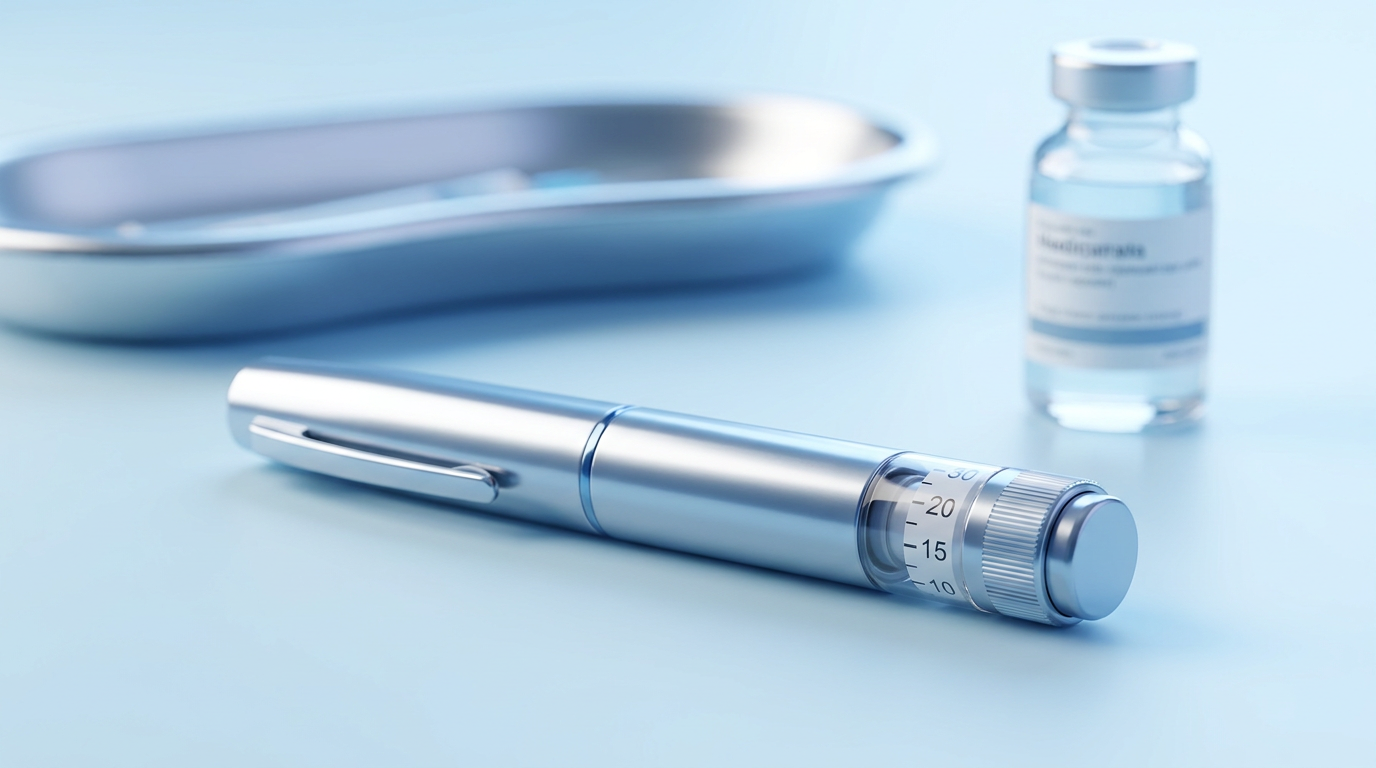
Zepbound is supplied four ways: a prefilled single-dose pen, a single-dose vial, a multi-dose vial, and a single-patient-use KwikPen. The two multi-dose formats each hold four weekly doses of one strength. The KwikPen delivers those four fixed amounts and then stops. The labeling says the pen will prevent a full dose from being dialed after four weekly doses have been given, and that the leftover medicine is not to be injected. That remainder is not a bonus. The pen is filled with additional volume so the device can prime.
Single-dose presentations hold one dose each. The instructions for the single-dose vial direct that opened vials be thrown away after use, even when medicine is visibly left in them.
Volume is not a portable unit here
Zepbound is not manufactured at one concentration. The single-dose presentations and the four-dose presentations are formulated differently from each other, and the strength changes as the ladder goes up. A volume that corresponds to one amount of drug in one container corresponds to a different amount in another. That is why arithmetic copied from a video, a forum thread, or a friend’s account fails at the point of use. It was derived from a container that is not the one in hand.
Insulin syringes make this worse, because they are graduated in insulin units and those marks have no fixed relationship to a milligram of tirzepatide. A case series of administration errors involving compounded semaglutide reported to a poison control center described patients who gave themselves tenfold overdoses, including one working in milliliters and units rather than milligrams. A pharmacovigilance study of the FDA Adverse Event Reporting System found that reports tied to compounded GLP-1 products carried much higher reporting odds for preparation errors, contamination, and manufacturing problems than reports tied to non-compounded formulations, along with higher odds of hospitalization.
Sterility is the cost nobody prices in
The single-dose pen and single-dose vial contain no antimicrobial preservative. Their listed excipients are sodium chloride, sodium phosphate dibasic heptahydrate, and water for injection. The four-dose formats are built differently: they include benzyl alcohol, glycerin, and phenol, and they carry a stated in-use limit of 30 days from first use or four weekly doses, whichever arrives first, after which the container is discarded even if medicine remains.
That contrast is the argument in one paragraph. A preservative-free container that gets punctured, partly emptied, and then stored is being asked to do something it was neither formulated nor tested to do. A systematic review and meta-analysis of parenteral doses prepared under aseptic conditions found measurable microbial contamination even inside controlled pharmacy environments. A kitchen counter is not one of those. Sterility failures do not announce themselves when they happen; they turn up days later as a hot, swollen injection site, or as something worse.
Two directions of error, both expensive
| The assumption | What the labeling establishes | The consequence |
|---|---|---|
| A used pen holds recoverable medicine | The KwikPen holds four fixed doses and locks out a fifth | The remainder is priming volume the label says not to inject |
| A milliliter means the same in every container | Zepbound is supplied at more than one concentration | A borrowed figure describes a different amount of drug |
| A pen can be opened, used, and stored | Single-dose formats contain no antimicrobial preservative | Contamination risk the product was never tested against |
| Insulin syringe units track milligrams | Units are an insulin measure with no milligram equivalent | Tenfold overdoses documented in poison center reports |
| Being low is the safe way to be wrong | Escalation exists to reach a labeled maintenance dose | Months spent at an amount no trial evaluated |
| Compounded vials follow branded figures | No approved label sets a compounded concentration | Every borrowed number is wrong by an unknown margin |
None of those errors gets cheaper by repeating it, so the practical move is to compare what the branded product actually costs across the routes that sell it in the open. Lilly’s own LillyDirect channel lists single-dose vials, Henry Meds packages a supervised weight program, and HealthRX shows the monthly figure for monitored Zepbound access, which lets a patient set three real numbers next to each other before deciding anything. A tolerated dose bought from one of them is a documented position; a fraction squeezed from a pen is not.
Where the pressure actually belongs
Almost nobody reaches this question out of curiosity. They reach it because the next box costs more than the last one, because coverage was denied, or because a plan dropped the category at renewal. That is a real problem with real answers, and none of them live in the hardware.
The labeling supplies one. For weight reduction, 5 mg once weekly is an approved maintenance dosage, and prescribers are told to consider a lower maintenance dosage when a patient does not tolerate a higher one. A tolerated labeled dose is a documented position; an improvised amount is not. Beyond that, Lilly sells single-dose vials through its own self-pay channel, commercially insured patients may qualify for the manufacturer savings program, and a denial can be pushed through a plan’s internal appeal and then an independent external review. Cash-pay telehealth prescribers including Ro, Hims & Hers, LifeMD, and FormBlends publish monthly program pricing, and the useful question to put to any of them is what happens to the plan when a patient says the next step is unaffordable.
Compounded tirzepatide inherits none of these figures
Compounded tirzepatide is not FDA-approved. No agency-reviewed label fixes its concentration, container, or excipients, and a published review of compounded semaglutide and tirzepatide products described formulations that differ from the approved versions with efficacy and safety largely unknown. Concentration is set by the compounding pharmacy, so volume reasoning read about branded pens does not transfer even loosely.
The boxed warning travels with the molecule whoever prepared it. Tirzepatide caused dose-dependent thyroid C-cell tumors in rats at clinically relevant exposures, human relevance is unresolved, and the drug is contraindicated in anyone with a personal or family history of medullary thyroid carcinoma and in anyone with multiple endocrine neoplasia syndrome type 2.
Frequently asked questions
Does the manufacturer address using a syringe on a pen?
Yes, directly. The instructions for use for the four-dose KwikPen state that Zepbound is not to be transferred from the pen into a syringe, and that leftover medicine is not to be injected. The pen also locks out a full dose once four weekly doses have been delivered.
Is the remainder in a used pen a partial dose?
No. The additional volume in a single-patient-use KwikPen exists so the device can prime before it delivers. The labeling directs that it be discarded along with the pen after the fourth weekly dose. Treating it as recoverable medicine misreads what that extra volume is there for.
What makes a single-dose container different from a multi-dose one?
The single-dose pen and vial contain no antimicrobial preservative, while the four-dose formats include benzyl alcohol and phenol and carry a labeled in-use window. Puncturing and storing a preservative-free container creates contamination and stability exposure that formed no part of the product’s testing.
Do compounded vials follow branded volumes?
There is no general answer, because no FDA-approved label sets a compounded concentration and strengths differ between pharmacies. Published reviews of compounded semaglutide and tirzepatide have found unique formulations whose efficacy and safety are largely unknown. Only the pharmacy that filled a vial can say what is in it.