Connection Between Fibroids, Fatigue, and Heavy Menstrual Bleeding

Uterine fibroids are one of the most common noncancerous growths that affect women during their reproductive years. While some fibroids cause no symptoms, others can significantly impact daily life by triggering heavy menstrual bleeding, chronic fatigue, pelvic discomfort, and other health concerns. Many women seeking non surgical fibroid treatment are often dealing with these symptoms and looking for ways to improve their quality of life.
The relationship between fibroids, excessive menstrual bleeding, and fatigue is closely connected. Heavy blood loss caused by fibroids can lead to iron deficiency and anemia, which in turn may result in persistent tiredness and reduced energy levels. Understanding how these conditions interact can help women recognize symptoms early and make informed decisions about their health.
Understanding Uterine Fibroids
Fibroids, also known as uterine leiomyomas, are benign tumors that develop within or around the uterus. They can vary greatly in size, shape, and location.
Common types of fibroids include:
- Intramural fibroids that grow within the muscular wall of the uterus
- Submucosal fibroids that develop beneath the uterine lining
- Subserosal fibroids that grow on the outer surface of the uterus
- Pedunculated fibroids that are attached to the uterus by a stalk
Fibroids may range from microscopic growths to large masses that distort the shape of the uterus. Some women have a single fibroid, while others develop multiple fibroids.
Why Fibroids Cause Heavy Menstrual Bleeding
Heavy menstrual bleeding is one of the most common symptoms associated with fibroids. The location and size of the fibroid often determine how severe the bleeding becomes.
Several mechanisms contribute to excessive bleeding:
Increased Surface Area of the Uterine Lining
Submucosal fibroids can expand the surface area of the uterine lining. As a result, more tissue sheds during menstruation, leading to heavier periods.
Interference with Uterine Contractions
The uterus normally contracts during menstruation to help control bleeding. Fibroids can disrupt these contractions, making it harder for blood vessels to constrict effectively.
Changes in Blood Vessel Formation
Fibroids often stimulate the development of additional blood vessels. This increased vascularity can contribute to greater blood flow during menstrual cycles.
Hormonal Influences
Estrogen and progesterone play important roles in fibroid growth. These hormones can also affect the uterine lining, potentially increasing menstrual bleeding.
Signs of Heavy Menstrual Bleeding Caused by Fibroids
Women may not always realize that their periods are heavier than normal. Certain symptoms can indicate excessive menstrual blood loss.
Common signs include:
- Menstrual periods lasting longer than seven days
- Soaking through sanitary products every one to two hours
- Passing large blood clots
- Needing to use multiple forms of menstrual protection
- Frequent nighttime changes of pads or tampons
- Menstrual bleeding that interferes with daily activities
- Feeling weak or dizzy during menstruation
Persistent heavy bleeding should never be ignored because it can lead to significant health complications over time.
The Link Between Heavy Bleeding and Fatigue
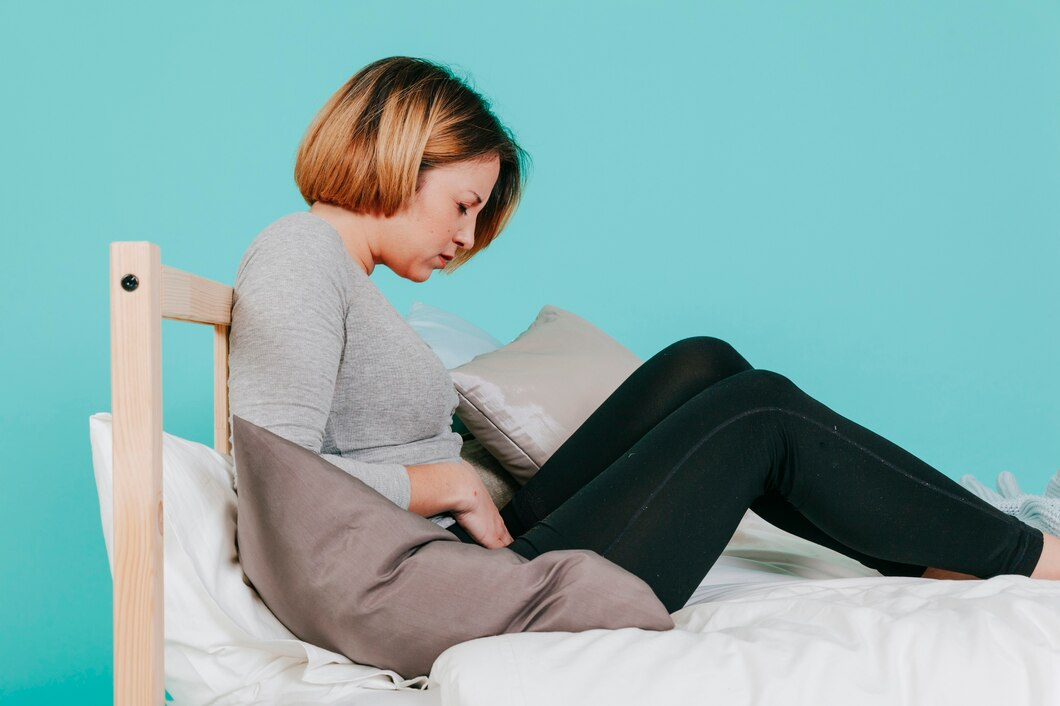
Fatigue is one of the most overlooked symptoms associated with fibroids. Many women assume their exhaustion is related to stress, aging, or a busy lifestyle when the true cause may be excessive menstrual blood loss.
The connection is straightforward:
- Fibroids cause heavy menstrual bleeding
- Heavy bleeding reduces iron stores
- Low iron levels decrease red blood cell production
- Reduced oxygen delivery to tissues causes fatigue
This cycle can continue month after month if the underlying fibroids remain untreated.
How Iron Deficiency Develops
Iron is essential for producing hemoglobin, the protein in red blood cells that carries oxygen throughout the body.
When menstrual blood loss becomes excessive:
- Iron stores become depleted
- The body struggles to replace lost red blood cells
- Oxygen transport becomes less efficient
- Physical and mental energy levels decline
Even before anemia develops, low iron levels can affect overall health and well-being.
Symptoms of Iron Deficiency
Women experiencing iron deficiency may notice:
- Constant tiredness
- Reduced stamina
- Difficulty concentrating
- Headaches
- Pale skin
- Cold hands and feet
- Hair thinning
- Shortness of breath during physical activity
These symptoms often worsen over time if blood loss continues.
Understanding Anemia in Women With Fibroids
Anemia occurs when the body lacks enough healthy red blood cells to meet oxygen demands.
Fibroid-related anemia is particularly common among women with prolonged or extremely heavy menstrual bleeding.
Common Symptoms of Anemia
Symptoms may include:
- Severe fatigue
- Weakness
- Rapid heartbeat
- Dizziness
- Fainting episodes
- Chest discomfort
- Reduced exercise tolerance
- Difficulty focusing
In severe cases, anemia can significantly affect daily functioning and overall health.
How Fatigue Affects Daily Life
Fatigue caused by fibroids is not simply feeling tired after a long day. It can become a chronic condition that affects nearly every aspect of life.
Physical Effects
Women may experience:
- Lack of energy for routine activities
- Reduced physical performance
- Difficulty exercising
- Increased need for rest
- Muscle weakness
Emotional Effects
Chronic fatigue can also impact emotional well-being.
Possible effects include:
- Irritability
- Mood changes
- Increased stress
- Feelings of frustration
- Reduced motivation
Cognitive Effects
Low oxygen delivery to the brain can affect mental performance.
Common issues include:
- Brain fog
- Poor concentration
- Memory difficulties
- Slower thinking
- Reduced productivity
Other Fibroid Symptoms That Can Contribute to Fatigue
Although heavy menstrual bleeding is a major cause of fatigue, other fibroid-related symptoms may also play a role.
Chronic Pelvic Pain
Persistent pain can disrupt normal activities and increase physical exhaustion.
Sleep Disturbances
Large fibroids may create pressure on surrounding organs, causing discomfort that interferes with sleep quality.
Frequent Urination
Fibroids pressing against the bladder can cause nighttime bathroom trips, leading to interrupted sleep and daytime fatigue.
Emotional Stress
Living with ongoing symptoms can create psychological strain that contributes to feelings of exhaustion.
Who Is Most at Risk?
Not every woman with fibroids experiences severe fatigue or heavy bleeding. Certain factors increase the likelihood of these symptoms.
Risk factors include:
- Large fibroids
- Multiple fibroids
- Submucosal fibroids
- Long-lasting menstrual periods
- Existing iron deficiency
- Delayed diagnosis
- Family history of fibroids
Women with these risk factors should pay close attention to changes in menstrual patterns and energy levels.
Diagnosing Fibroid-Related Fatigue and Bleeding
Healthcare providers typically use a combination of medical history, physical examination, and diagnostic testing to identify fibroid-related problems.
Medical History Review
Doctors may ask about:
- Menstrual cycle patterns
- Bleeding severity
- Fatigue symptoms
- Pelvic pain
- Reproductive history
Blood Testing
Blood tests help evaluate:
- Hemoglobin levels
- Iron levels
- Ferritin levels
- Overall blood count
These tests can determine whether anemia or iron deficiency is present.
Imaging Studies
Imaging techniques help identify fibroids and assess their size and location.
Common methods include:
- Ultrasound
- Magnetic resonance imaging
- Sonohysterography
- Hysteroscopy
Accurate diagnosis is essential for understanding the source of symptoms.
Managing Heavy Menstrual Bleeding
Reducing menstrual blood loss is often a key step in improving fatigue and preventing anemia.
Management approaches may vary depending on:
- Fibroid size
- Fibroid location
- Symptom severity
- Age
- Reproductive goals
Common treatment strategies focus on controlling bleeding and reducing fibroid-related symptoms.
Improving Iron Levels and Energy
Women experiencing iron deficiency often benefit from restoring healthy iron stores.
Strategies may include:
- Consuming iron-rich foods
- Increasing vitamin C intake to improve iron absorption
- Monitoring blood levels regularly
- Addressing ongoing blood loss
Iron-rich foods include:
- Lean red meat
- Poultry
- Fish
- Beans
- Lentils
- Spinach
- Fortified cereals
- Pumpkin seeds
Proper nutrition can support recovery, although managing the source of blood loss remains equally important.
Lifestyle Habits That May Help Reduce Fatigue
While lifestyle changes cannot eliminate fibroids, they may help support energy levels and overall health.
Helpful habits include:
Prioritizing Sleep
Consistent sleep schedules can improve physical recovery and mental function.
Staying Physically Active
Moderate exercise may help improve circulation and energy levels.
Examples include:
- Walking
- Yoga
- Swimming
- Cycling
Managing Stress
Stress management techniques can reduce emotional exhaustion.
Useful practices include:
- Meditation
- Deep breathing exercises
- Mindfulness
- Relaxation techniques
Maintaining Balanced Nutrition
A nutrient-rich diet supports blood production and overall wellness.
When Heavy Bleeding Requires Immediate Attention
Some symptoms indicate that medical evaluation should not be delayed.
Warning signs include:
- Extremely heavy bleeding
- Severe dizziness
- Fainting
- Shortness of breath
- Rapid heartbeat
- Chest pain
- Significant weakness
These symptoms may suggest severe anemia or excessive blood loss requiring prompt treatment.
Long-Term Impact of Untreated Fibroids
Ignoring heavy menstrual bleeding and fatigue can have lasting consequences.
Potential complications include:
- Chronic iron deficiency
- Severe anemia
- Reduced quality of life
- Workplace performance challenges
- Physical limitations
- Emotional distress
Early recognition and management can help prevent these outcomes and improve overall health.
Conclusion
The connection between fibroids, fatigue, and heavy menstrual bleeding is significant and often underestimated. Fibroids can disrupt normal uterine function, leading to excessive menstrual blood loss that gradually depletes iron stores and increases the risk of anemia. As oxygen delivery throughout the body declines, fatigue becomes a common and sometimes debilitating symptom.
Understanding this relationship is essential for recognizing the warning signs of fibroid-related complications. Heavy periods, persistent exhaustion, dizziness, and reduced energy levels should never be dismissed as normal. By identifying the underlying cause and addressing both blood loss and iron deficiency, women can better manage symptoms and protect their long-term health and well-being.