Essential Home Maintenance Tips for Surviving Houston’s Extreme Weather

Houston homeowners face some of the most unpredictable weather conditions in the United States. From intense summer heat and humidity to hurricanes, severe thunderstorms, flooding, and strong winds, every season presents unique challenges for residential properties.
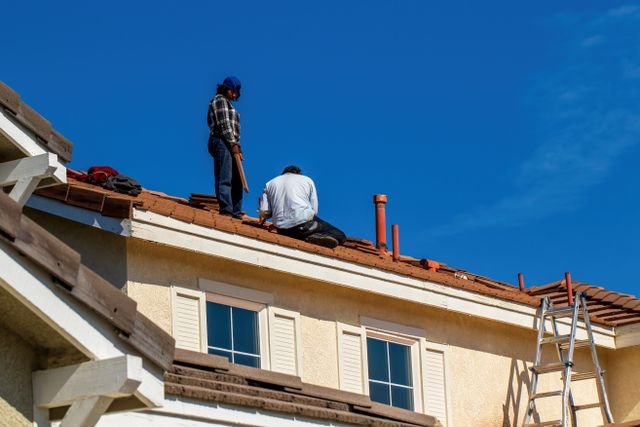
This is why many roofing companies in Houston emphasize proactive maintenance instead of waiting for costly repairs after severe weather strikes. Regular inspections and preventative care can significantly improve a home’s ability to withstand changing weather conditions while protecting its long term value.
Why Houston Homes Require Special Maintenance
Houston’s climate is known for rapid weather changes that can place tremendous stress on homes throughout the year. Excessive moisture, heavy rainfall, high winds, and prolonged heat gradually weaken roofing materials, siding, windows, and foundations.
Ignoring small issues often leads to larger structural problems that become far more expensive to repair. Consistent maintenance helps homeowners identify vulnerabilities before they become major emergencies.
Some common weather related risks include:
- Wind damaged shingles
- Roof leaks from heavy rainfall
- Flooding around foundations
- Mold growth caused by humidity
- Cracked exterior caulking
- Tree damage during storms
- Gutters clogged with debris
- Heat related deterioration of roofing materials
Understanding these risks allows homeowners to prepare before severe weather arrives.
Inspect Your Roof Throughout the Year
The roof serves as the first line of defense against Houston’s harsh weather conditions. Small issues can quickly escalate after heavy storms or hurricane season.
Regular inspections help identify damaged areas before water enters the home.
Look for signs such as:
- Missing or loose shingles
- Curling roofing materials
- Granule loss on asphalt shingles
- Flashing damage around vents
- Water stains in the attic
- Sagging roof sections
- Loose ridge caps
Checking the roof after major storms can help detect hidden damage that may otherwise remain unnoticed.
Keep Gutters and Downspouts Clean
Heavy rainfall is common throughout Houston, making functional gutters essential for protecting the home’s foundation and exterior walls.
Blocked gutters force water to overflow, leading to erosion, siding damage, and basement moisture issues.
Homeowners should remove:
- Leaves
- Pine needles
- Small branches
- Roof granules
- Bird nests
- Dirt buildup
Downspouts should direct water several feet away from the home’s foundation to minimize water intrusion and soil erosion.
Trim Trees Before Storm Season
Large trees provide shade during hot Texas summers, but overgrown branches can become dangerous during severe weather.
Strong winds frequently break weak limbs, causing damage to roofs, fences, vehicles, and power lines.
Proper tree maintenance includes:
- Removing dead branches
- Pruning limbs over the roof
- Eliminating weak branch connections
- Keeping trees away from utility lines
- Inspecting for disease or decay
Healthy trees are less likely to fail during hurricanes or severe thunderstorms.
Protect Your Foundation from Water Damage
Houston’s clay soil expands and contracts depending on moisture levels. Excessive water accumulation around the foundation can create structural movement over time.
Proper drainage is essential for maintaining foundation stability.
Helpful maintenance practices include:
- Maintaining proper yard grading
- Extending downspouts away from the house
- Repairing leaking irrigation systems
- Filling low spots that collect water
- Monitoring foundation cracks
Keeping water away from the foundation reduces the likelihood of structural shifting.
Check Exterior Caulking and Sealants
Heat, moisture, and sunlight gradually break down exterior sealants around windows, doors, and siding joints.
Failed caulking allows moisture to enter wall cavities where mold and wood rot can develop unnoticed.
Inspect areas around:
- Windows
- Exterior doors
- Utility penetrations
- Trim boards
- Garage doors
- Outdoor faucets
Replacing deteriorated caulking helps maintain energy efficiency while preventing water intrusion.
Maintain Proper Attic Ventilation
Houston summers bring extended periods of extreme heat that can significantly increase attic temperatures.
Poor attic ventilation traps heat and moisture, reducing roof lifespan while increasing cooling costs.
Proper ventilation offers several advantages:
- Reduces attic temperatures
- Minimizes moisture buildup
- Prevents mold formation
- Extends roofing material life
- Improves indoor comfort
- Lowers energy consumption
Balanced intake and exhaust ventilation create continuous airflow that protects the entire roofing system.
Prepare Your Home Before Hurricane Season
Hurricane season presents one of the biggest threats to Houston homes each year. Preparation before storms arrive can reduce property damage.
Important maintenance steps include:
- Securing loose outdoor furniture
- Inspecting roof fasteners
- Reinforcing garage doors
- Checking emergency drainage paths
- Testing sump pumps
- Cleaning storm drains
- Storing emergency supplies
Preparation reduces the likelihood of emergency repairs after severe weather events.
Examine Windows and Doors for Leaks
Strong winds combined with driving rain can force moisture through small openings around windows and doors.
Routine inspections should focus on weather stripping, seals, and framing components.
Warning signs include:
- Drafts
- Water stains
- Soft wood
- Visible gaps
- Interior condensation
- Difficulty closing windows
Replacing worn weather stripping helps improve both weather protection and energy efficiency.
Inspect Siding and Exterior Walls
Exterior walls continuously face sun exposure, heavy rainfall, and moisture, causing gradual deterioration over time.
Small cracks allow water penetration that may remain hidden for months before visible damage appears.
Inspect for:
- Loose siding panels
- Cracked stucco
- Rotting wood
- Paint peeling
- Mold growth
- Insect damage
Early repairs help preserve structural integrity and prevent expensive restoration work.
Maintain Air Conditioning Systems
Houston’s extreme summer temperatures place heavy demands on air conditioning equipment.
Preventive maintenance improves reliability while extending equipment lifespan.
Seasonal maintenance should include:
- Replacing air filters
- Cleaning outdoor condenser units
- Checking refrigerant levels
- Inspecting ductwork
- Cleaning drain lines
- Verifying thermostat operation
Efficient cooling systems also reduce indoor humidity that contributes to mold growth.
Watch for Signs of Hidden Moisture
Houston’s humid climate creates favorable conditions for moisture related damage inside walls and ceilings.
Hidden leaks often go unnoticed until significant structural damage occurs.
Common warning signs include:
- Musty odors
- Ceiling stains
- Bubbling paint
- Warped flooring
- Mold growth
- Soft drywall
- High indoor humidity
Early detection prevents extensive interior repairs and potential health concerns associated with mold.
Maintain Fencing and Outdoor Structures
Strong winds frequently damage fences, pergolas, decks, and sheds during storms.
Regular inspections improve structural stability and reduce storm related hazards.
Inspect for:
- Loose posts
- Rusted fasteners
- Rotting wood
- Leaning sections
- Cracked concrete anchors
- Broken gate hinges
Well maintained outdoor structures better withstand severe weather conditions.
Test Backup Power Equipment
Power outages commonly accompany severe storms and hurricanes in Houston.
Backup generators require periodic testing to ensure proper operation during emergencies.
Maintenance tasks include:
- Checking fuel supplies
- Inspecting electrical connections
- Changing oil as recommended
- Testing startup procedures
- Replacing worn batteries
- Confirming extension cord condition
Reliable backup power helps maintain essential household functions during extended outages.
Create a Seasonal Maintenance Schedule
Organizing home maintenance by season helps homeowners stay ahead of potential weather related issues.
A simple schedule makes inspections easier to remember throughout the year.
Spring
- Inspect roofing
- Clean gutters
- Trim trees
- Check drainage systems
Summer
- Service air conditioning
- Inspect exterior caulking
- Examine siding
- Monitor attic ventilation
Fall
- Remove leaves
- Inspect windows
- Test generators
- Clean drainage systems
Winter
- Check insulation
- Seal drafts
- Monitor moisture
- Inspect foundation movement
Following a seasonal checklist allows homeowners to address problems before they worsen.
Conclusion
Houston’s climate demands year round attention from homeowners who want to protect their investment from severe weather. Routine inspections, preventative maintenance, and timely repairs help reduce the impact of heavy rain, hurricanes, humidity, and extreme heat.
By focusing on roofing, drainage, ventilation, exterior protection, and structural integrity, homeowners can improve the resilience of their property and reduce the likelihood of costly weather related damage in the future.