Top Thermals for Women: Comfort and Warmth Guide

Choosing the right thermals for women is essential for maintaining comfort and warmth during colder months. With a wide variety of options available, understanding what makes a good thermal garment can help in selecting effective and comfortable clothing. This guide covers important factors to consider when purchasing thermals, the material benefits, and recommendations for optimal warmth.
Understanding Thermals for Women
Thermals for women are designed to provide a base layer that retains body heat and wicks moisture away from the skin. These garments are particularly beneficial in cold climates or for outdoor activities such as hiking, skiing, or commuting in winter. The right thermal wear can enhance overall comfort and prevent the chills often experienced when temperatures drop.
Importance of Material Quality
The effectiveness of thermals depends largely on the material used. Common fabrics include wool, synthetic fibres, and blends that combine comfort, insulation, and moisture management. Wool, specifically merino wool, is widely praised for its warmth and natural odour resistance, while synthetic fibres like polyester are often more affordable and dry quickly.
Bamboo Fibre Thermals
Bamboo fibre is gaining popularity as a sustainable and soft alternative for thermal wear. Bamboo thermals are breathable, provide excellent moisture-wicking properties, and offer a gentle touch against the skin. These qualities make bamboo thermals a practical choice for women seeking sustainable options without compromising on comfort and warmth.
Key Factors When Choosing Thermals
When selecting thermals for women, several factors should be taken into account to ensure the garment performs as required:
- Fit: A snug fit is important to trap warmth effectively without restricting movement.
- Layering Capability: Thermals should be thin enough to wear under other clothing comfortably.
- Breathability: Ensures moisture from sweat is wicked away to keep the skin dry.
- Durability: The fabric must withstand frequent washing and wear without losing its insulating properties.
- Temperature Regulation: Ability to keep warm without overheating.
Types of Thermal Garments
Thermals come in various forms, including tops, bottoms, and full-body suits. Women’s thermals may have additional design considerations such as cut and stretch to accommodate different body shapes.
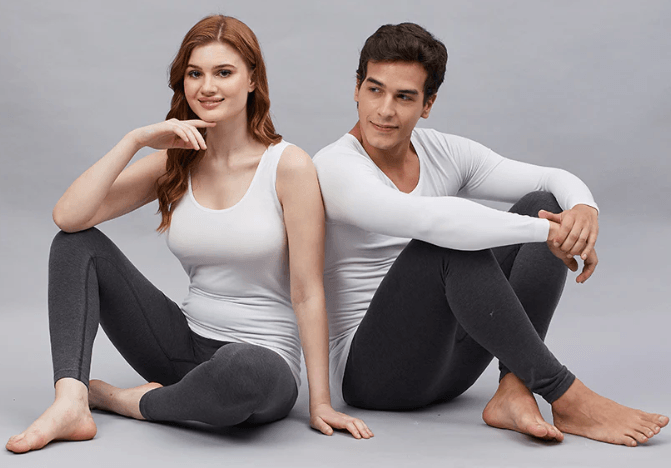
Long-sleeve thermal tops are vital for upper body warmth. Pairing these with matching thermal leggings provides full coverage and warmth in cold conditions. Full-body thermal suits are less common but offer comprehensive protection for extreme weather situations or outdoor sports.
Benefits of Wearing Thermals for Women
There are multiple benefits to incorporating thermals into a winter wardrobe:
- Improved comfort due to moisture management and temperature regulation.
- Increased warmth without bulk, making movement easier.
- Enhanced layering, allowing for adaptable outfits suitable for different temperatures.
- Protection against hypothermia in freezing conditions.
Care and Maintenance of Thermals
Proper care extends the life and effectiveness of thermal clothing. Washing thermals in cold water and avoiding fabric softeners helps maintain the moisture-wicking properties. Air drying is preferable to preserve fabric integrity and avoid shrinking.
Popular Materials for Women’s Thermals
Each material used for thermals has advantages and disadvantages. Cotton is comfortable but not ideal when wet, as it retains moisture and loses insulation. Merino wool offers natural insulation and breathability but requires more delicate care. Synthetic fibres are durable and dry quickly but may lack the natural odour resistance of wool or bamboo.
For those with sensitive skin, bamboo and merino wool thermals are often recommended due to their softness and hypoallergenic qualities.
How to Select the Right Thermals for Women
While browsing products such as thermals for women, it is useful to consider the intended use. For everyday wear, lightweight thermals that fit discreetly under clothing are suitable. For outdoor activities, heavier weight thermals with enhanced insulation might be necessary.
Temperature and Activity Level
Choosing thermals also depends on the anticipated temperature and activity intensity. Active women may prefer thermals designed for breathability and moisture management, ensuring comfort despite sweating. Those spending prolonged periods outdoors in low temperatures need thermals that maximise insulation.
Thermals for Women in Different Climates
Women living in mild winter climates may benefit from thinner thermals that keep warmth without overheating. In contrast, those in harsher, colder environments require thicker, insulating fabrics. Layering multiple thermal pieces can also provide a customised response to varying outdoor temperatures.
Styling Thermals with Winter Wear
Thermals serve as a practical foundation beneath coats, jackets, and trousers. Their slim design enables layering without bulkiness, maintaining an elegant silhouette while providing necessary warmth. Consider colours and styles that complement outerwear for a cohesive winter wardrobe.
Thermals and Sustainable Fashion
Increasingly, consumers are considering environmental impact when selecting clothing. Sustainable thermals made from renewable fibres like bamboo or organic wool contribute to reducing carbon footprint and waste in fashion. Purchasing from brands committed to ethical production supports this trend.
Conclusion
Thermals for women are an essential component of a winter wardrobe, offering comfort, warmth, and versatility. By understanding the various materials, fits, and care requirements, women can make informed decisions to select thermals tailored to their individual needs and lifestyle. For those seeking quality and sustainability, exploring options such as thermals for women is a positive step towards staying warm and comfortable throughout the colder seasons.