Camera Sensor Z-Height Constraints: Optical Trade-Offs in the apple iphone 18 pro max vs foldable iphone Assemblies

In modern mobile engineering, smartphone photography performance is dictated as much by structural geometry as it is by silicon algorithms. While software image signal processors (ISPs) and neural engines continuously push computational photography forward, physical optics remains strictly bound by ray tracing and depth mechanics.
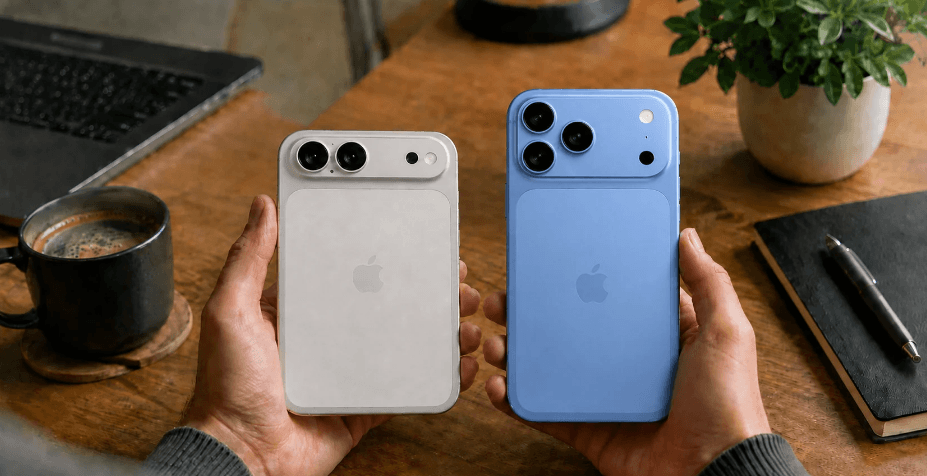
The primary limiting factor in smartphone camera architecture is vertical clearance—commonly referred to in hardware design as Z-height. Comparing the camera system capabilities between a conventional monolithic flagship like the apple iphone 18 pro max and a flexible multi-wing device like the foldable iphone illustrates how spatial geometry directly governs optical potential.
1. Defining Z-Height in Mobile Camera Modules
Z-height refers to the vertical distance measured from the top surface of the protective camera cover glass down to the base of the image sensor substrate.
To deliver crisp images, a camera module must maintain a precise focal length relative to its image sensor size. Larger image sensors collect significantly more light, reducing signal-to-noise ratio in low-light environments. However, as sensor diagonal dimensions increase, the physical distance required between the primary lens element and the sensor plane scales proportionally.
If an enclosure lacks sufficient Z-height:
- Focus Distance Shrinks: The optical assembly cannot achieve a focal plane that covers a large sensor.
- Peripheral Distortion Rises: Lens elements must bend incoming light rays at aggressive angles, creating severe spherical aberration and edge softness.
- Module Protrusion Increases: The camera housing must extrude significantly beyond the rear casing, creating an exaggerated “camera bump.”
2. Monolithic Advantage: Optical Potential of the apple iphone 18 pro max
A monolithic slab form factor provides maximum structural depth for optical housing. Without the need to fold in half, the apple iphone 18 pro max utilizes a thick overall chassis profile that can dedicate maximum internal volume to large-format optical arrays.
Deep Z-Height Integration
The unbroken back panel of the apple iphone 18 pro max accommodates high-clearance camera stacks without compromising structural integrity. This depth clearance allows engineers to incorporate:
- Large Primary Sensors: Sensor surface area directly impacts dynamic range. A deep Z-height footprint allows for large, high-resolution sensor surfaces equipped with sensor-shift optical image stabilization (OIS) systems that move the entire sensor laterally to compensate for motion.
- Mechanical Variable Apertures: Incorporating physical aperture blades requires physical clearance between lens elements. Deep chassis layouts enable physical iris mechanisms that shift between wider and narrower f-stops, modulating physical light entry rather than simulating depth-of-field entirely through software blur algorithms.
- Multi-Element Glass Lenses: Higher Z-height accommodates stacks of 7-element (7P) or 8-element (8P) hybrid glass-plastic lens configurations. These multi-lens groups correct chromatic aberration before light reaches the sensor array.
Periscope Tetraprism Telescoping
Telephoto magnification requires long physical focal lengths. In the apple iphone 18 pro max, folded glass tetraprism assemblies reflect light paths 90 degrees horizontally across the internal cavity, utilizing chassis width alongside vertical Z-height to deliver high-magnification optical zoom without an excessively thick exterior lens protrusion.
3. Thin-Wing Constraints: The Optical Challenges of the foldable iphone
Designing a flexible dual-wing enclosure forces severe structural compromises. When open, each individual side of the foldable iphone must remain exceptionally thin—often measuring under 5.5 millimeters—to ensure that the device remains manageable in the hand when folded shut.
The Z-Height Compression Threshold
Because the camera module typically sits on one of the two hinged wings, its vertical headroom is bounded by the thickness of that single wing. This restricted Z-height forces critical engineering tradeoffs:
| Optical Dimension | apple iphone 18 pro max | foldable iphone |
| Available Module Z-Height | High (~8.0mm+ structural cavity) | Restricted (~5.0mm to 5.5mm per wing) |
| Primary Sensor Diagonal Size | Unrestricted (Large-format primary array) | Compact (Reduced surface area footprint) |
| Aperture System | Physical mechanical variable aperture | Fixed mechanical aperture |
| Zoom Mechanism | Multi-reflection tetraprism periscope | Optical/Sensor crop hybrid telephoto |
| Stabilization Type | 2nd-Gen Sensor-Shift OIS | Lens-based OIS or Compact Sensor-Shift |
Consequences of Low Z-Height in Foldable Designs
- Smaller Image Sensors: To keep the lens focal point close to the sensor glass, the foldable iphone must utilize smaller CMOS image sensors. Smaller individual pixels reduce low-light signal capture, requiring heavier computational noise reduction.
- Omission of Periscope Modules: Long telephoto zoom systems require deep internal prisms. In a thin foldable wing, a full periscope module introduces severe volume conflicts, often forcing designs to rely on shorter telephoto focal lengths or high-resolution sensor cropping.
- Fixed Aperture Optics: Mechanical aperture rings demand physical clearance that a thin foldable chassis simply cannot spare, limiting the foldable iphone to a static f-stop configuration.
See also: How Keeping Up with Technology Improves Memory
4. Optical Architecture Trade-Off Matrix
The physics of smartphone photography forces a direct architectural choice between physical optical capabilities and mechanical versatility:
While the foldable iphone leverages its unique form factor to unlock innovative capture angles—such as self-standing tripod modes and dual-screen preview screens—it operates under strict optical limits imposed by its thin profile. Conversely, the apple iphone 18 pro max trades away mechanical flexibility to maximize physical glass depth, delivering superior raw light collection, natural depth-of-field control, and extended optical telephoto range.
Technical Synthesis
Z-height constraints remain the ultimate physical barrier in modern mobile camera design. Computational processing can compensate for minor lens defects, but it cannot replace the raw light capture and depth capabilities offered by large physical glass elements and wide focal paths. The apple iphone 18 pro max stands as the definitive platform for uncompromising physical optics, whereas the foldable iphone represents an engineering triumph in balancing compact spatial limits against versatile multi-screen camera functionality.