How an E Wallet Has Changed Everyday Spending Habits

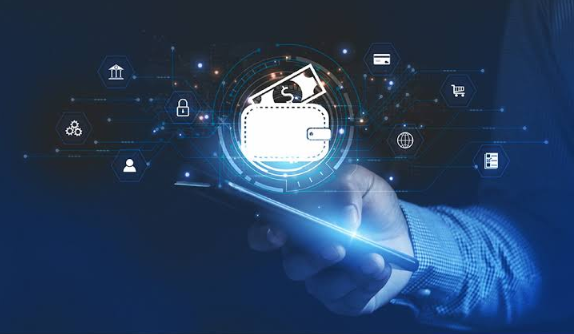
Cash and physical cards once defined how most people handled daily transactions, but the rise of the e wallet has fundamentally shifted how a growing number of people pay for everything from morning coffee to monthly bills. Understanding what has driven this shift helps clarify why digital payment adoption continues accelerating rather than plateauing.
Why Convenience Alone Does Not Fully Explain the Shift
It would be easy to assume convenience is the sole driver behind e-wallet adoption, but the reality is more nuanced. Beyond simply not needing to carry physical cash, digital wallets typically offer transaction history tracking, integrated budgeting features, and instant payment confirmation that provide genuine functional advantages beyond pure convenience, helping users maintain better visibility into their actual spending patterns.
See also: What Local Recycling Searches Don’t Tell You About Your Old Laptop
How Security Features Have Addressed Early Adoption Concerns
Early skepticism around digital payment security has been substantially addressed through layered security features including encryption, biometric authentication, and real-time fraud monitoring that many users now find provide genuinely stronger protection than the security of carrying physical cash or cards, which offer essentially no protection if lost or stolen.
The Network Effect Driving Continued Adoption
As more merchants accept digital wallet payments, the practical value of carrying one increases correspondingly, creating a self-reinforcing cycle where growing merchant acceptance drives more consumer adoption, which in turn incentivizes more merchants to support digital payment options. This network effect has been a major factor in accelerating adoption well beyond what pure technological capability alone would have achieved.
For those exploring how a specific digital wallet platform functions in practice, this overview of e wallet features and functionality covers the practical capabilities available to everyday users.
Considering the Broader Shift Toward Cashless Transactions
Beyond individual convenience, the broader societal shift toward digital payments reflects changing expectations around transaction speed and record-keeping that increasingly shape how businesses and consumers alike expect payment systems to function, making digital wallet fluency an increasingly practical skill for navigating everyday commerce.
Frequently Asked Questions
Is using a digital wallet genuinely more secure than carrying physical cash? In many respects yes, since digital wallets typically include fraud protection and the ability to freeze or monitor an account, protections that physical cash simply cannot offer if lost or stolen.
Do all merchants accept digital wallet payments? Acceptance varies by location and merchant type, though it has expanded considerably in recent years as digital payment infrastructure has become more widely adopted.
What happens if a phone with a digital wallet installed is lost? Most digital wallet platforms offer remote account freezing or deactivation options, along with device-level security like biometric locks, to protect against unauthorized access if a phone is lost.
Final Thoughts
The shift toward digital wallets reflects genuine functional advantages beyond simple convenience, and understanding these benefits helps explain why this payment method has moved from a novelty to an increasingly standard part of everyday commerce.